
Story
Why we built Cairn: the map I wish my family had
When my dad died, sorting out his affairs turned into weeks of detective work.
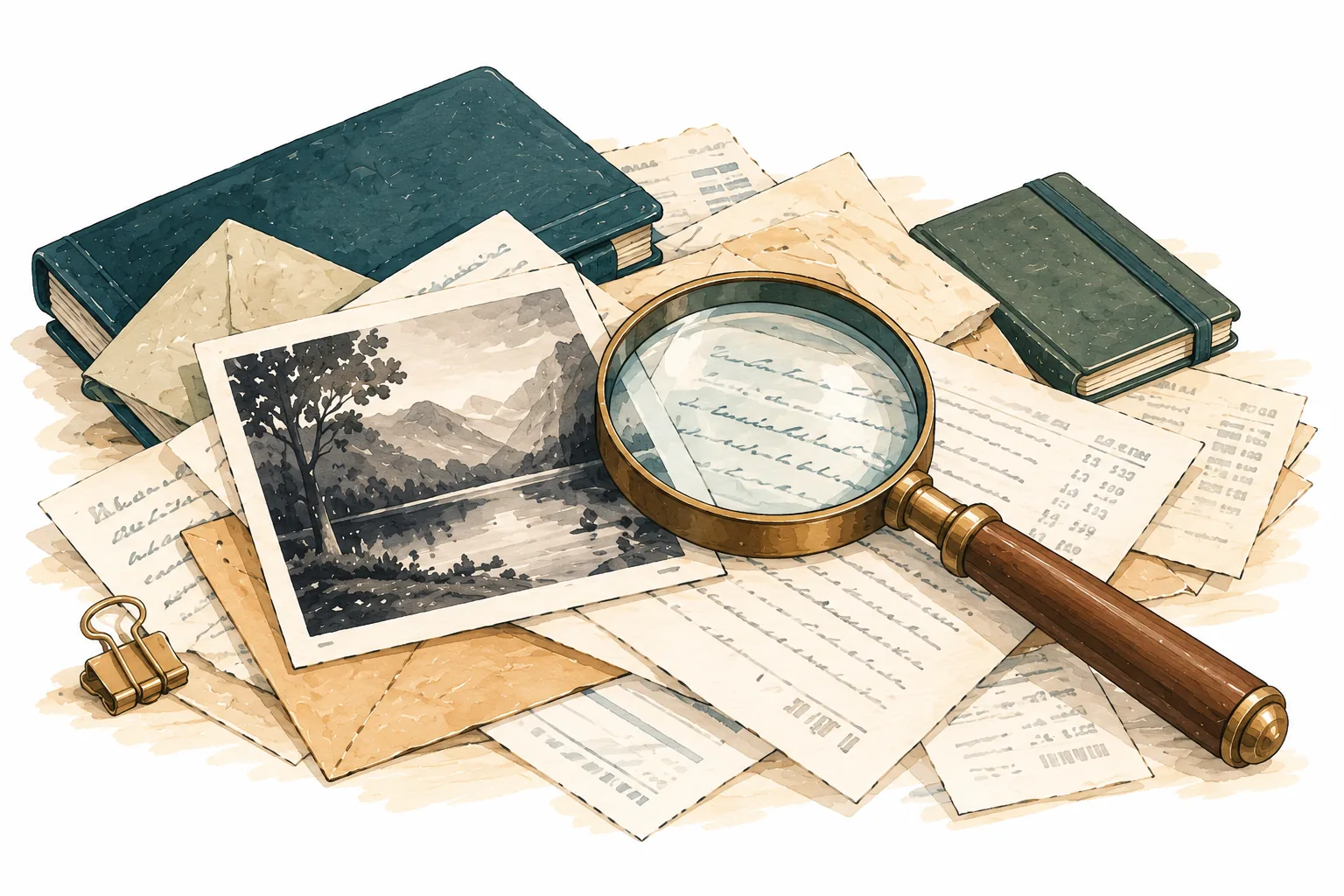
When my dad died, I thought the hardest part would be the grief. I didn’t expect the paperwork to be so hard too.
The detective work
Dad wasn’t disorganised. Like most people, he kept everything in his head, spread across a drawer, a filing box and a handful of online accounts only he knew about. When he died, we had to piece it all back together.
We went through bank statements line by line, looking for clues. Which of these direct debits was insurance? Was there a pension from that job in the nineties? Who were we supposed to call, and what would they ask us for?
Nobody should have to become a detective in the weeks after they lose someone.
It took weeks. Every phone call started with the same explanation, and every organisation wanted something slightly different. We were never quite sure we’d found everything.
What would have helped
Looking back, we didn’t need anyone to give us advice. We needed a map: a simple list of what Dad had, who it was with, and what he wanted, somewhere we could actually find it.
That’s what a cairn is. It’s a small pile of stones that walkers leave to mark the way for the people coming behind them.
What Cairn is (and isn’t)
Cairn is a secure place to record what you have and what you want: accounts, pensions, insurance, property, documents and wishes. When the time comes, it passes that information to the people you choose.
We’re careful about what it isn’t. Cairn is a record-keeping tool, not a financial or legal adviser. We don’t store passwords or full account numbers. We don’t sell your data, and we never will.
Why it matters now
The best time to make this map is while you’re well and there’s no rush. It’s a quiet kindness for the people you love. It doesn’t take long, and you can keep it up to date as life changes.